Like a hookah
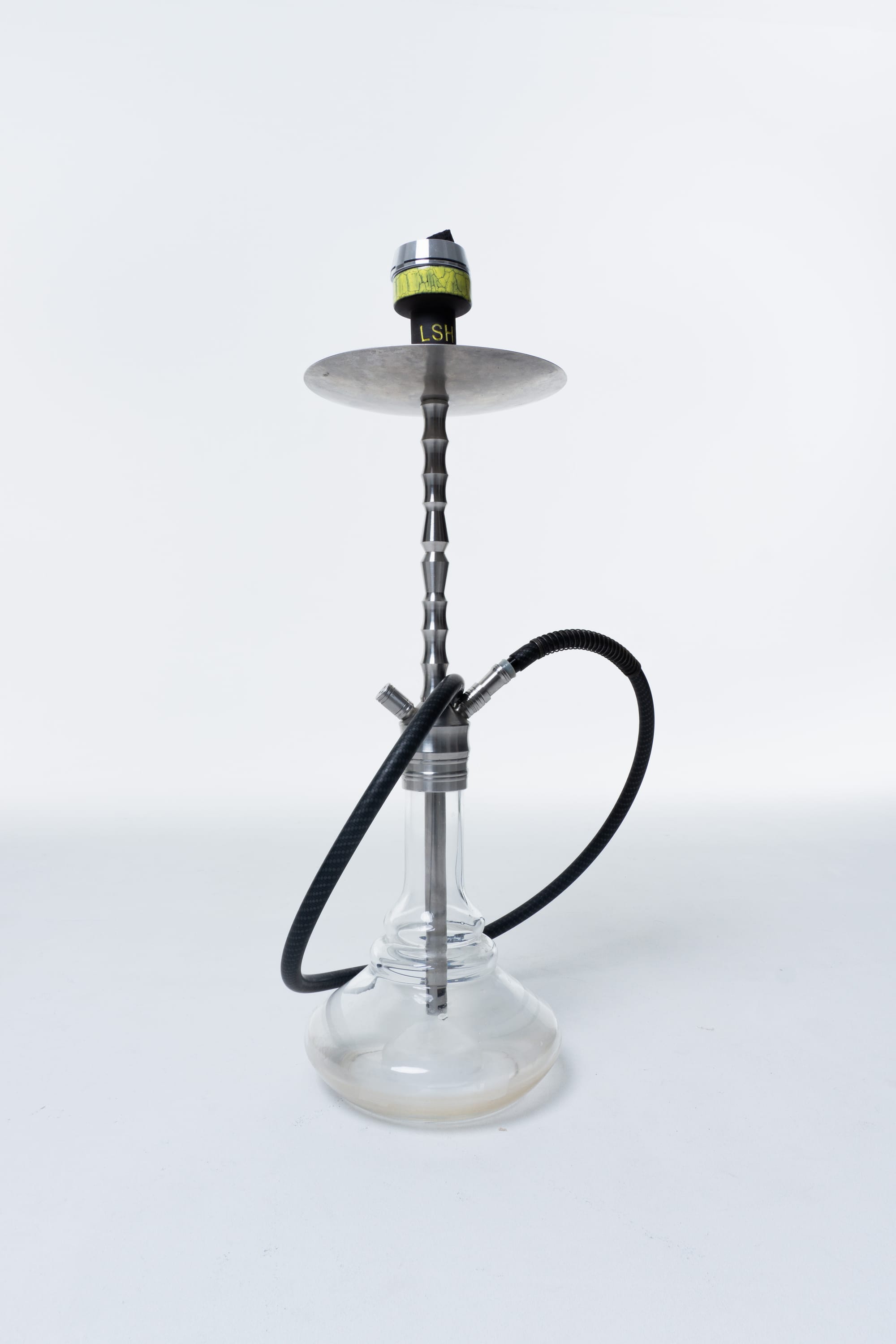
India
The first mention of a device similar to a hookah is found in India during the reign of the Mughal dynasty. It is believed that it was the Indian physician Abu-l-Fath Gilani who invented the first version of the hookah as a means of filtering tobacco smoke through water to reduce its harmful effects. Initially, hookahs used charcoal and regular tobacco.
Persia (Iran)
Hookahs also became popular in Persia, where they were called "narghile," which comes from the Persian word "narjil," meaning coconut, because hookahs were originally made from coconut shells. In Persia, hookahs were improved by adding different flavors to the tobacco, which made the smoking process more enjoyable.
Ottoman Empire
In the 17th century, the hookah was introduced to the Ottoman Empire (modern-day Turkey), where it became very popular among the elite and rulers. At this time, hookahs began to be used as a status symbol and a feature of social gatherings. In Turkey, hookah designs became even more sophisticated, with hand-crafted details.
Egypt
In the 19th century, hookah became popular in Egypt, where its use became an integral part of cultural life. Egyptian artisans began to produce glass bowls for hookahs, which are still considered among the best.
Today, hookah remains an important element of culture in many countries of the Middle East, North Africa and Asia. Hookah bars are popular in many countries around the world, and hookah smoking traditions are evolving, including the use of flavored tobacco and new materials.